

In World of Warcraft (WoW), one of the most enduring aesthetic debates revolves around a simple question: helmet on or off? For some, the helmet is an integral part of a formidable transmog set, completing the vision of a powerful warrior or mysterious spellcaster. For others, it obscures a carefully crafted character face, hiding unique features and expressions. This guide dives into the “Helmet On or Off” debate, offering examples and insights into when each choice makes the most aesthetic sense. It’s about understanding how the helmet impacts your character’s overall look, silhouette, and personality, helping you make the right decision to perfect your in-game fashion statement.

When “Helmet On” Completes the Silhouette
Many raid tier sets, particularly those designed for warriors, death knights, or warlocks, feature helmets that are essential for completing the overall silhouette. These helmets often have dramatic horns, intimidating visors, or unique shapes that extend the class fantasy. Without them, the set can look unfinished, losing its intended imposing or mysterious aesthetic.
For example, the Warrior Tier 3 (Dreadnaught) or the Paladin Tier 2 (Judgement) helmets are iconic. Removing them would significantly weaken the recognizable shape and thematic power of those sets. If your transmog is designed to be a cohesive, powerful uniform, or to hide your character’s identity, keeping the helmet on is usually the stronger aesthetic choice, ensuring the silhouette remains impactful and true to its design.
When “Helmet Off” Highlights Character Identity
Conversely, sometimes the most compelling aesthetic choice is to remove the helmet entirely. This is especially true for players who have spent time customizing their character’s face, hair, and unique features. Removing the helmet allows these personal touches to shine, highlighting your character’s race, expression, and individual personality.
This approach works well for more “heroic” or “adventurer” looks, where the character’s face is meant to be visible, conveying emotion and relatability. It’s often preferred for classes like Monks, Rogues (who might prefer a hood), or characters with distinctive hairstyles or facial tattoos. If your character’s identity is defined by their face, keeping the helmet off allows that personal connection to be seen and appreciated.
| Choice | Primary Aesthetic Goal | When It Works Best | Impact on Character |
|---|---|---|---|
| Helmet On | Complete Silhouette, Class Fantasy, Intimidation. | Full raid sets, imposing plate wearers, mysterious figures. | Powerful, uniform, thematic, hides identity. |
| Helmet Off | Highlight Character Face, Personality, Relatability. | Customized faces, unique hairstyles, adventurer looks. | Personal, expressive, heroic, approachable. |
| Helmet Off (Hoods/Circlets) | Partial Concealment, Rogue/Mage Fantasy. | Characters wanting some headwear but face visible. | Mysterious, subtle, less aggressive. |
| Helmet Off (Specific Classes) | Priests, Mages (often prefer visible faces). | Casters, elegant robes, more intellectual themes. | Sophisticated, wise, less martial. |
| Helmet On (Specific Classes) | Warriors, Death Knights, Warlocks (often prefer helmets). | Brutal, dark, heavily armored themes. | Intimidating, powerful, warrior spirit. |
The Hood/Circlet Compromise
For those who want some form of headwear without fully obscuring the face, hoods, circlets, or simple headbands offer a great compromise. Hoods can add a sense of mystery or stealth without covering the mouth and chin. Circlets sit elegantly on the brow, complementing hairstyles without hiding facial features.

This option is popular for Rogues, Mages, and Hunters who want head protection or a thematic element without the bulk or concealment of a full helmet. It allows for headwear customization while still keeping your character’s unique face and expression visible, offering the best of both worlds for a balanced aesthetic.
Impact on Roleplay and Character Impression
The helmet decision can also deeply impact your character’s roleplay and the first impression they make on other players. A helmet-on character might seem more distant, mysterious, or intimidating, perfectly fitting a stoic warrior or a shadowy figure. A helmet-off character might appear more open, approachable, or expressive.
Consider the story you want your character’s appearance to tell. Do they face danger with a covered face, or do they meet every challenge head-on, their expression visible? This choice subtly communicates aspects of your character’s personality and their approach to the world, adding depth to their visual identity beyond just gear stats.
Class and Race Considerations
Certain classes and races often lean towards one choice. Plate-wearing classes like Warriors and Death Knights frequently look best with helmets, enhancing their heavy armor fantasy. Casters like Priests and Mages often prefer showing off their faces or elegant headpieces, aligning with a less martial aesthetic.
Racial features also play a role. A Zandalari Troll’s tusks, a Worgen’s snarl, or a Gnome’s expressive face might be too iconic to cover. Sometimes, a helmet can also clip awkwardly with certain racial features, making “off” the better choice. Consider how the helmet interacts with your character’s unique racial model before making a final decision.
The Debate Settled: It’s All About Intent
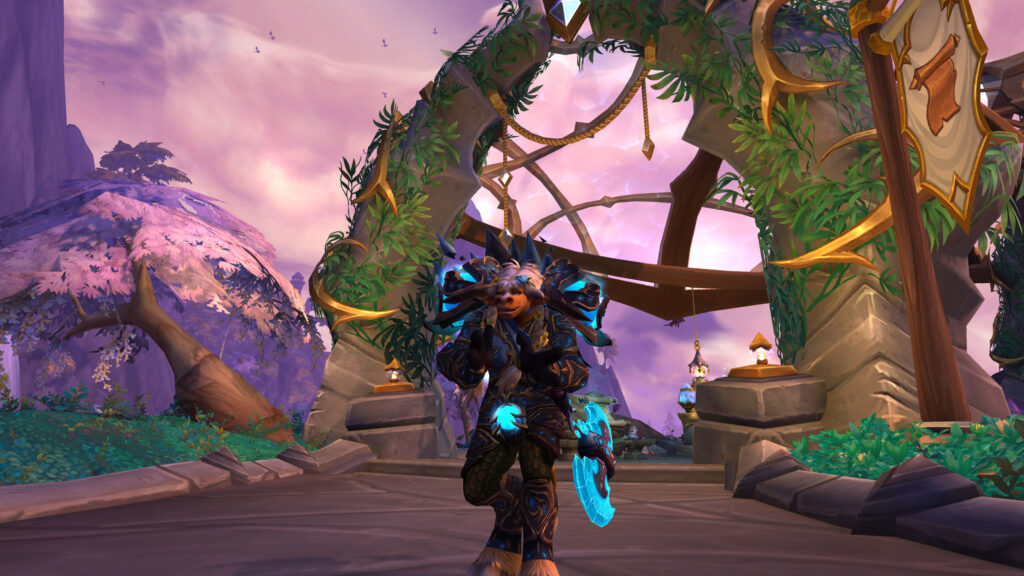
Ultimately, the “Helmet On or Off” debate is settled not by a universal rule, but by intentional design and personal preference. There is no single “right” answer. The best choice is the one that most effectively conveys your character’s identity, completes your transmog’s vision, and brings you the most enjoyment.
Experiment with both options. Use the in-game previewer to see how each choice impacts the overall look. Whether you choose to reveal your character’s face or let a powerful helmet define their silhouette, ensure your decision is deliberate. This attention to detail transforms your character’s appearance from random gear into a cohesive and meaningful statement, perfecting your in-game style.